From the blog
Standby Generator vs. Portable: What Really Keeps an Orlando Home Running Through a Hurricane
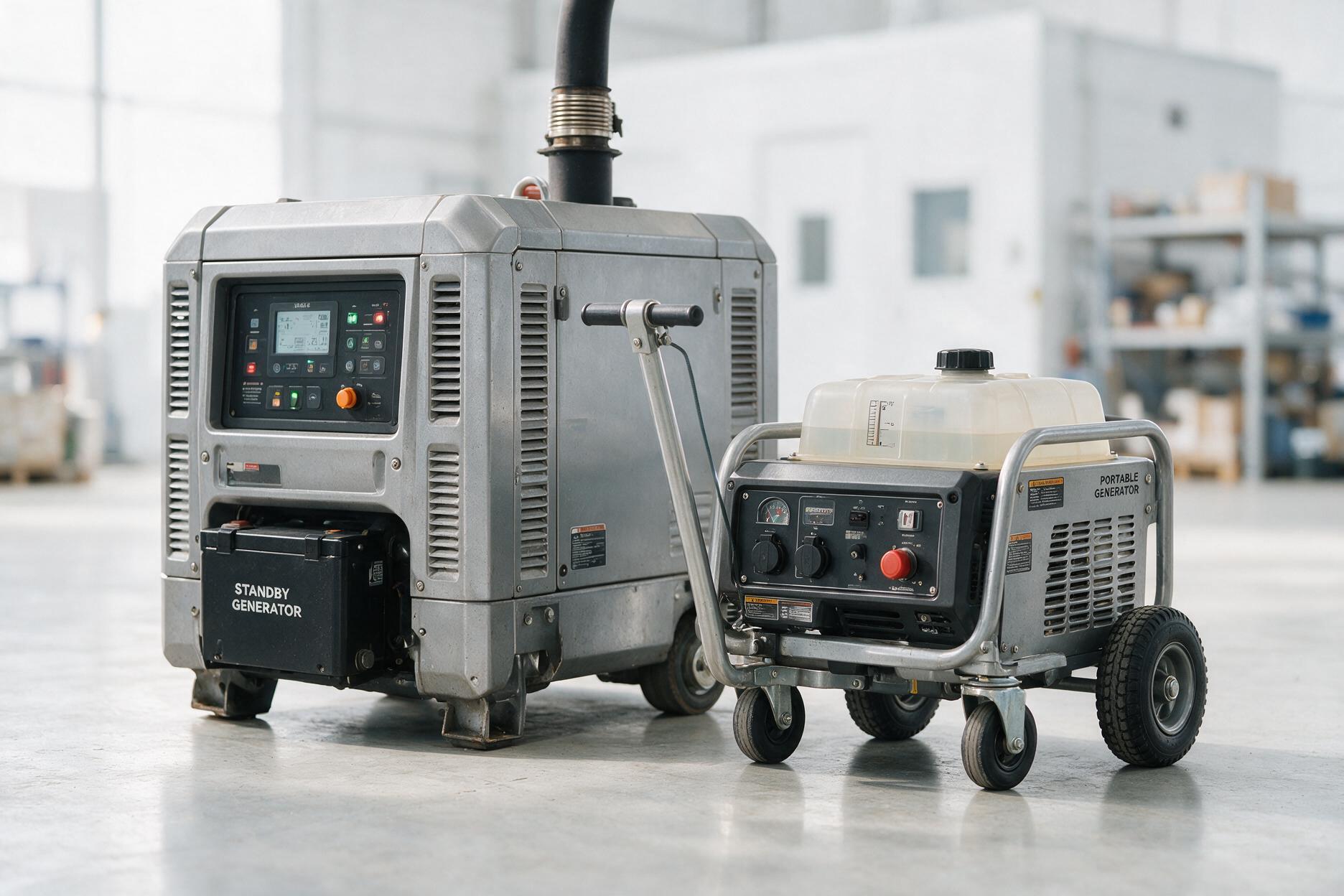
In Central Florida, the question is not whether the power will go out during hurricane season, but for how long. That makes a generator one of the more practical investments a homeowner here can make, and it raises the real decision: a portable unit you pull out when the storm hits, or a standby generator wired into the house. As an Orlando electrician, Spectrum Electric Inc helps families weigh that choice honestly. If you want a straight comparison for your home before the next storm, reach out to our team at (407) 880-8977 and we will talk through what actually fits your needs and budget.
Portable or standby generator: how do you choose for a Florida home?
Start with what each one asks of you when the power is actually out. A portable generator wins on price, and depending on the size it can run most of what you truly need. The tradeoffs show up during the storm. You have to load shed, meaning you manually switch breakers on and off as demand changes. You have to drag the unit out in the weather and hook it up, deal with fuel fumes, and refill it fairly often. You also have to remember to turn the main breaker off and follow the right procedure every time. A standby generator flips that experience. It comes on automatically from the comfort of your home, even mid storm, and some models handle the load shedding for you because you have already chosen the circuits that matter. The fuel is stored on site and lasts longer between refills. Its main drawback is the higher price, though financing brings it within reach for a lot of homeowners.
What do people get wrong about running a generator safely after a storm?
The single most dangerous mistake with a portable generator is failing to turn off the main breaker. If you skip that step, your generator can push power back onto the grid, and this is one of the major hazards line workers face while trying to restore your neighborhood. The 120 volts at your house becomes thousands of volts on their end of the line if it is not properly isolated. Those crews are often tired, hungry, and stressed while working to get the community back online, and while the power company protects its people as much as possible, human error happens. Not turning off your main breaker can add to their danger for no reason. The hazards to you are just as real. A generator that is not properly ventilated produces dangerous fumes, and shock hazards appear when bonding is not done right or the incoming voltage is not protected. Safe generator use is mostly about following the procedure every single time, not just when it is convenient.
What does a standby generator installation involve?
More lead time than most people expect, which is the part worth planning around. The generator itself has to be procured, and we cannot order it without a signed contract and a payment agreement in place, simply because payment is required upon delivery. The permitting takes time as well, and that clock is not something any contractor can rush. In practice, a lot of the work can be lined up and ready before the unit arrives, so the longest single stretch is usually the delivery of the generator and arranging the fuel. None of this is a reason to avoid a standby system. It is a reason to start the conversation early rather than during a warning cone. A proper standby generator installation is a real project with real steps, and the homes that come through a storm comfortably are almost always the ones that planned it well ahead of time.
When should you get on the schedule before hurricane season?
As early as you reasonably can, because the timeline is driven by factors outside anyone's control. Between securing the contract, waiting on delivery, arranging fuel, and moving through permitting, the whole process takes long enough that starting in the middle of the season is a gamble. Demand also climbs sharply the moment a storm is in the forecast, which is the worst possible time to get in line. If you know you want a standby system, the smart move is to begin months before you would ever need it, while lead times are calm and you have room to make good decisions instead of rushed ones. Sizing the unit correctly to your home matters too, and that is easier to get right without a storm bearing down. Getting on the schedule early is not about urgency for its own sake. It is the only reliable way to be genuinely ready when the season arrives.
Power outages here are a matter of when, not if, so the best time to sort out your backup plan is a quiet week with nothing on the radar. Whether you are leaning portable or standby, we will give you an honest recommendation and a realistic timeline. Call Spectrum Electric Inc at (407) 880-8977 or get on the schedule, and head into hurricane season already prepared.