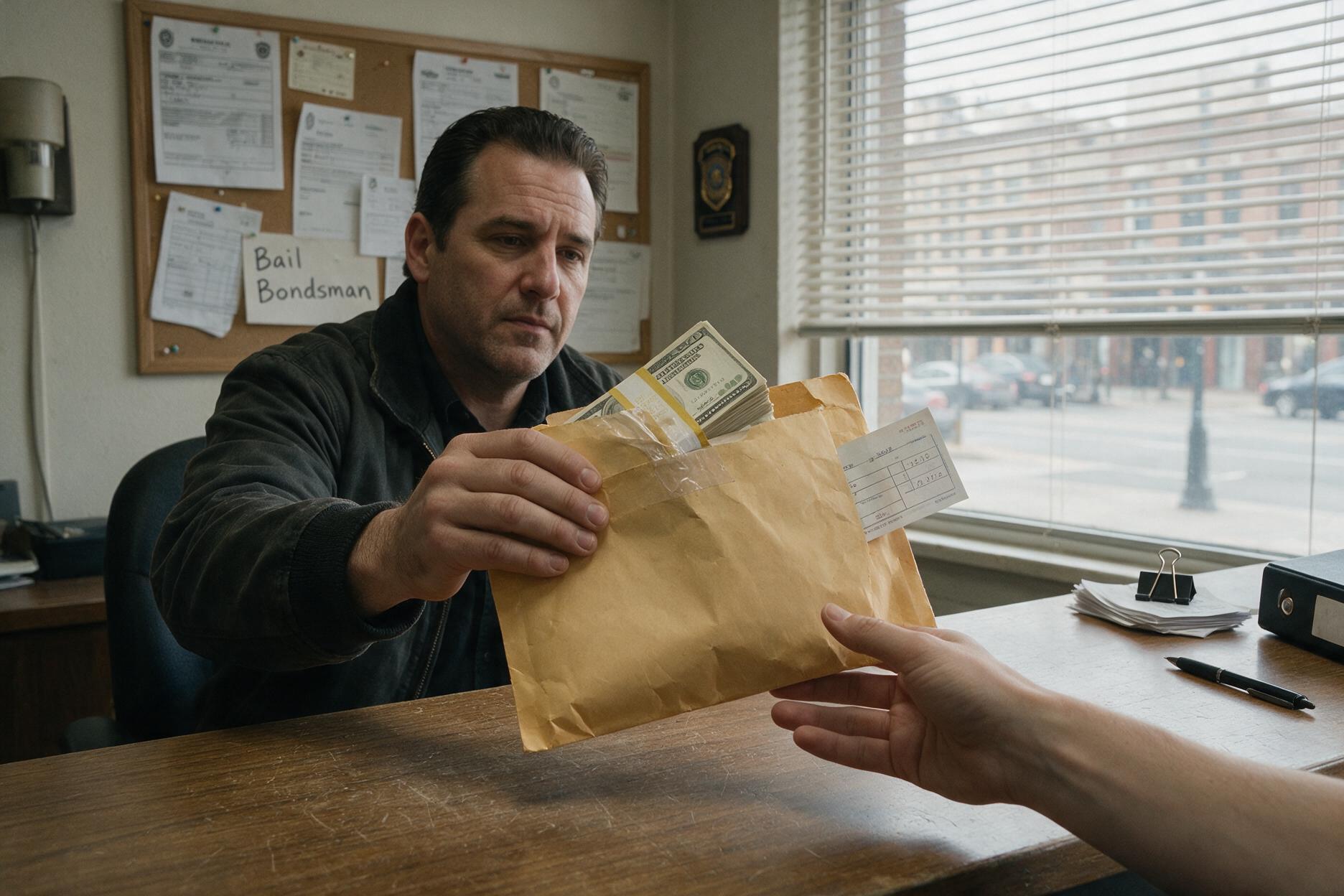
What Does a Bail Bond Actually Cost in Florida?
When a loved one is arrested, the first practical question is almost always about money: what is this going to cost me? In Florida, a bail bond costs 10 percent of the bond amount for any bond over 1,000 dollars, that fee is charged per charge, and you do not get it back when the case is over. Those three facts trip up families constantly. If the math on your situation is not adding up the way you expected, Mike Snapp Bail Bonds, a family run business that issues Orlando bail bonds can walk you through the real numbers before you commit to anything.
How much does a bail bond cost in Florida?
For any single bond over 1,000 dollars, the fee is 10 percent of that bond, and for bonds under 1,000 dollars there is a minimum fee of 100 dollars. That 10 percent is set by the state, so it is the same no matter which bondsman you call. The part that catches people off guard is that it applies per charge, not to the whole case. Whitney, who works at Mike Snapp Bail Bonds, said families often assume you add up every bond amount and then take 10 percent of the total. It actually works the other way. Each charge over 1,000 dollars carries its own 10 percent fee. So someone facing several charges is looking at 10 percent on each one, which can add up quickly and is very different from the single number many people expect. Getting that straight early saves a painful surprise when the real total is explained.
Is the bail bond fee refundable when the case is over?
No. The premium you pay a bondsman is non-refundable, and you do not get it back regardless of how the case ends. Whitney said this is one of the most common misunderstandings she deals with. She had two separate clients in a single day who called believing that once the case wrapped up, that money would come back to them. It does not. The fee is what you pay the bonding company for posting the full bond amount on your behalf and taking on that risk, and it is earned the moment they do it. This is different from cash bail paid directly to the court, which can be returned at the end of a case. When you work with a bondsman, you are paying a service fee, not a deposit. Understanding that difference before you sign keeps expectations honest and prevents a frustrating conversation down the road when someone is waiting on a refund that was never coming.
What if you cannot afford the full premium up front?
Then ask about a payment plan, because not being able to pay the entire premium at once is extremely common and usually workable. Whitney said her office offers payment plans as a matter of routine, since a large share of families simply cannot put the whole fee down in one shot. They do ask for a reasonable amount up front, but the rest can often be spread out. This is not a rigid, one-size program either. There is no standard plan that everyone gets slotted into. The terms are built around your actual situation, which is worth knowing before you assume you cannot afford to help someone. If the up-front number feels out of reach, that is a conversation to have, not a dead end. Even a partial payment to start can be enough to get the process moving, so it is always worth asking rather than walking away. A good bondsman would rather find a realistic way to get your loved one home than lose you over a payment structure.
How do bail bond payment plans actually work?
They are customized to what you earn and what you can realistically pay, and they are built for convenience. Whitney said the amount and the schedule usually come down to your income, your bills, and what you can handle and when. Some people do weekly payments, others go every two weeks, depending on what fits their budget. Just as helpful, you do not have to keep driving to an office to hand over cash. Her office lets clients make payments over the phone and accepts the common apps like Zelle, Apple Pay, Cash App, and Venmo, so a payment does not mean taking time off work to show up in person. If money is the thing standing between your family and getting someone out, the right move is to call a local Orlando bail bonds business and lay out your situation honestly, so they can build a plan that actually works for you.